

10 legal rights Indian women must know about them. These legal rights protect Indian women from social evils and they enjoy their freedom due to these 10 legal rights. The time that we are living is very crucial for women. In Indian society there are lots of restrictions of families, religion on women. They cannot live being the part of society. Indian constitution provides the legal rights for women to enjoy freedom of living without any restrictions. There are some important legal rights for women that every woman must be aware of them. These legal rights are:
1. Free legal aid for woman

A woman can get free legal aid. Generally, a woman goes to the police station unaccompanied by a lawyer to get their statement recorded. They stand the risk of being misquoted or their statement being tampered with. The police may also treat the entire episode lightly and not lodge an FIR. So, it is necessary to have a lawyer with you while you lodge the FIR. According to a Delhi High Court ruling, whenever a rape is reported, the SHO has to bring this to the notice of the Legal Services Authority. The legal body then arranges for a lawyer for the victim.
2. Right to privacy while recording the statement
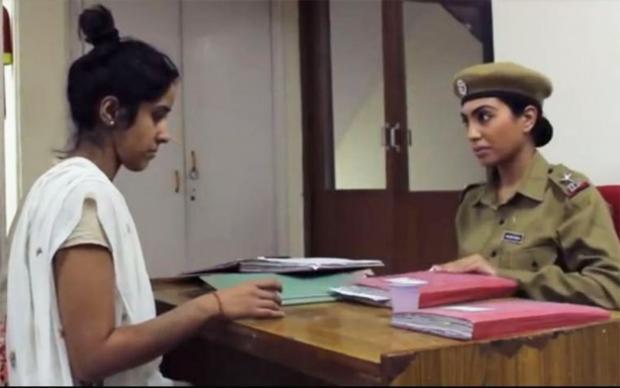
Under section 164 of the Criminal Procedure Code, a raped woman can record her statement before the district magistrate when the case is under trial, and no one else needs to be present. Alternatively, she can record the statement with only one police officer and woman constable in a convenient place that is not crowded and does not provide any possibility of the statement being overheard by a fourth person. The police have to, by law, upkeep the woman’s right to privacy. It is important for the woman to feel comfortable and not be under any kind of stress while narrating the incident.
3. Time doesn’t matter
The police cannot refuse to register an FIR even if a considerable period of time has elapsed since the incident of rape or molestation took place. If the police tell a woman that they cannot lodge their FIR since she didn’t report it earlier, does not accept. Rape is a horrifying incident for any woman. It is natural for her to go into shock and not want to report it immediately. She may also fear for her safety and the reputation and dignity of her family. For this reason, the Supreme Court has ruled that the police must register an FIR even if there has been a gap between the report and the occurrence of the incident.
4. Email to the rescue

According to the guidelines issued by the Delhi Police, a woman has the privilege of lodging a complaint via email or registered post. Due to some reasons, a woman cannot go to the police station. She can send a written complaint through an email or registered post addressed to a senior police officer of the level of Deputy Commissioner or Commissioner of Police. The officer then directs the SHO of the police station, of the area where the incident occurred, to conduct a proper verification of the complainant and lodge an FIR. The police can then come over to the residence of the victim to take her statement.
5. Police can’t say no
A rape victim can register her police complaint from any police station under the Zero FIR ruling by Supreme Court. Sometimes, the police station under which the incident occurs refuses to register the victim’s complaint in order to keep clear of responsibility. Police try sending the victim to another police station. In such cases, she has the right to lodge an FIR at any police station in the city under the Zero FIR ruling. The senior officer will then direct the SHO of the concerned police station to lodge the FIR.
6. No arrests after sunset

The police cannot arrest a woman after sunset and before sunrise. There are many cases of women; police harasses the women at many hours. The police cannot arrest a woman at night. In case the woman has committed a serious crime. The police have to get it in writing from the magistrate explaining why the arrest is necessary during the night.
7. Police cannot call a woman to the police station

Police cannot call a woman to the police station for interrogation under Section 160 of the Criminal Procedure Code. This law provides Indian women with the right to not being physically present at the police station for interrogation. The police can interrogate a woman at her residence in the presence of a woman constable and family members or friends.
8. Protect rape victim identities

Under no circumstances can the identity of a rape victim be revealed. Neither the police nor media can make known the name of the victim in public. Section 228-A of the Indian Penal Code makes the disclosure of a victim’s identity a punishable offence. Printing or publishing the name or any matter which may make known the identity of a woman against whom an offence has been committed is punishable. This is done to prevent social victimization or ostracism of the victim of a sexual offence. Even while a judgment is in progress at the high court or a lower court, the name of the victim is not indicated. She is only described as ‘victim’ in the judgment.
9. The doctor cannot decide rape
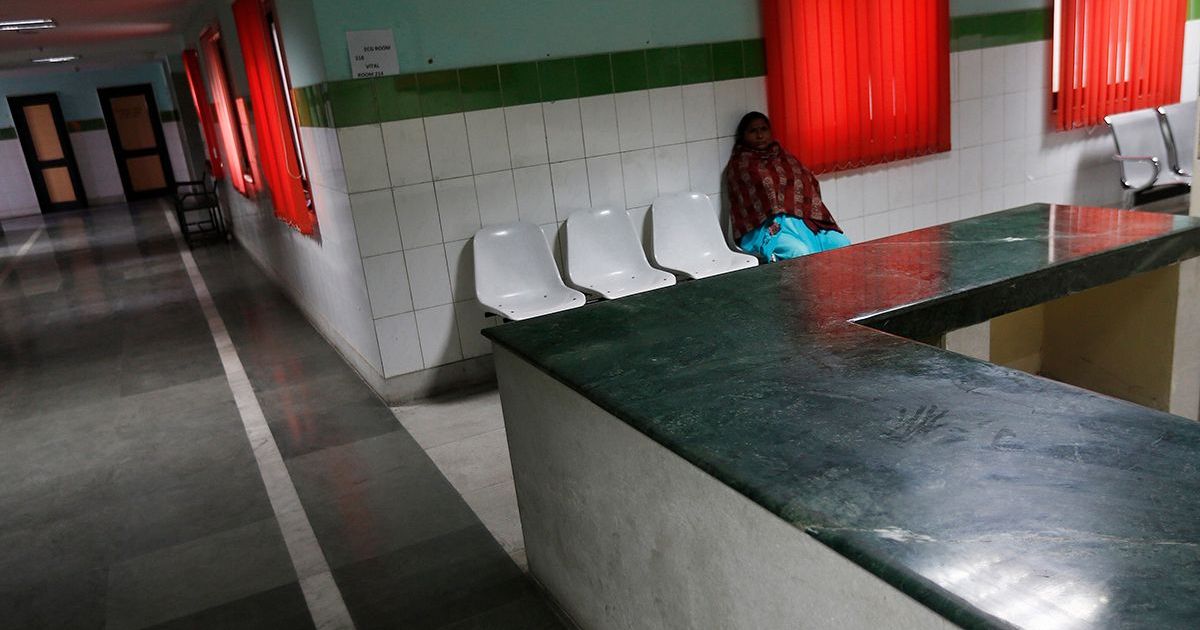
A case of rape can’t be dismissed even if the doctor says rape had not taken place. A victim of rape needs to be medically examined as per Section 164 A of the Criminal Procedure Code, and only the report can act as proof. A woman has the right to have a copy of the medical report from the doctor. Rape is a crime and not a medical condition. It is a legal term and not a diagnosis to be made by the medical officer treating the victim. The only statement that can be made by the medical officer is that there is evidence of recent sexual activity. Whether the rape has occurred or not is a legal conclusion and the doctor can’t decide on this.
10. Employers must protect the women

It is the duty of every employer to create a Sexual Harassment Complaints Committee within the organization for redressal of such complaints. According to a guideline issued by the Supreme Court, it is mandatory for all firms, public and private, to set up these committees to resolve matters of sexual harassment. It is also necessary that the committee is headed by a woman and comprises 50% women as members. Also, one of the members should be from a women’s welfare group.


